Finding the perfect foundation can feel overwhelming—especially when you want a product that enhances your natural beauty, supports a healthy skincare routine, and works seamlessly with your skin type. The right foundation doesn’t just improve your appearance; it can also contribute to glowing skin, better hydration, and long-lasting confidence throughout the day. In the U.S., where weather, lifestyle, and diverse skin needs vary widely, choosing the ideal formula requires understanding what truly works for your skin.
This guide provides a clear, humanized, and reliable explanation of how to pick the best foundation—helping you build a healthier beauty routine and avoid common makeup frustrations.
Understanding Your Skin Type
Before choosing a foundation, you must understand whether your skin is oily, dry, combination, normal, or sensitive. U.S. dermatologists often recommend evaluating how your skin feels a few hours after cleansing. Oily skin may appear shiny, especially around the T-zone, while dry skin may feel tight or show flakiness. Combination skin often presents both concerns, and sensitive skin may react easily to new ingredients. Knowing your skin type ensures a precise choice, prevents breakouts, and helps maintain a consistent skincare routine.
Choosing the Right Formula
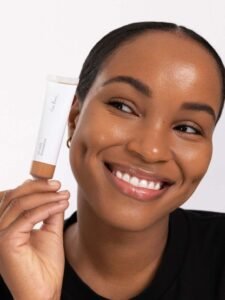
Different foundation formulas provide different benefits. Liquid foundations work well for most skin types and are especially helpful for dry skin because many formulas include hydrating agents. Powder foundations are preferred for oily or acne-prone skin because they reduce shine without clogging pores. Stick foundations offer convenience and buildable coverage for busy women with active lifestyles. Selecting the correct formula helps enhance natural beauty while supporting glowing skin tips and healthy lifestyle habits.
Hydration and Ingredients That Matter
When evaluating a foundation, ingredients are just as important as shade and texture. For dry skin, look for hyaluronic acid, squalane, or glycerin for long-lasting moisture—these pair well with a dry skin treatment routine. Oily skin benefits from oil-free and mattifying formulas containing niacinamide or clay. If anti-aging is a concern, options infused with peptides or antioxidants complement anti-aging skincare, vitamin C serum, or collagen supplement use. For sensitive skin, fragrance-free and dermatologist-tested products reduce the risk of irritation.
Coverage Levels and When to Use Each
Light coverage foundations create a natural finish suitable for everyday wear, especially when paired with healthy lifestyle habits and a solid skincare routine. Medium coverage works well for uneven texture or redness. Full coverage is useful for special events, photos, or when you need extra confidence. Keep in mind that more coverage does not always mean better—many Americans now prefer natural, breathable foundations that mimic skin rather than mask it.
How Climate and Seasons Affect Your Choice
Climate plays a major role in foundation performance. In humid states like Florida or Texas, matte, long-wear formulas help reduce shine and maintain freshness. In colder regions such as Minnesota or Colorado, hydrating foundations prevent dryness and flaking. Seasonal changes may also require switching products; winter calls for moisturizing formulas, while summer demands lightweight, sweat-resistant options. This seasonal adaptability enhances your beauty treatments and helps maintain consistent results year-round.
Application Techniques for a Flawless Finish
Even the best foundation can fail without proper application. Brushes create a smooth, blended look, while sponges provide an airbrushed finish. Fingers are ideal for sheer products because they warm up the formula. Start with a clean face, follow your skincare routine, apply sunscreen for women, and use a good primer if you want longer wear. Blending in natural daylight ensures even coverage that looks beautiful in real life and in makeup tutorials.
Foundation for Sensitive or Acne-Prone Skin
Choosing a foundation for acne-prone or sensitive skin requires extra care. Look for non-comedogenic formulas to avoid clogged pores. Products containing soothing ingredients like aloe, chamomile, or centella asiatica can complement an acne skincare routine or stress relief techniques, since stress can worsen breakouts. Mineral foundations are often recommended for sensitive skin because they provide coverage without harsh additives.
Matching Foundation to Your Skin Tone and Undertone
A perfect shade match depends not only on surface color but also undertone. U.S. makeup brands typically label undertones as warm, cool, or neutral. Testing foundation on your jawline in natural light helps you avoid mismatched tones. If your skin changes color seasonally due to sun exposure (common in states with strong summers), consider keeping two shades for seamless blending—something many beauty professionals recommend in makeup tutorials.
Building a Skin-Healthy Beauty Routine
Foundation should integrate with your entire beauty routine—not work against it. A good routine includes cleansing, moisturizing, and applying sunscreen daily. Pairing foundation with clean beauty products, organic skincare, and supportive habits like hydration tips, mental health tips, and self-care habits contributes to naturally radiant skin. A balanced diet with superfoods for women, healthy smoothies, and anti-inflammatory foods also improves your complexion from the inside out, making foundation application even easier.
Conclusion
Choosing the best foundation for your skin type is not just about makeup—it’s about supporting healthy, radiant skin every day. By understanding your skin’s needs, selecting the right formula, paying attention to ingredients, and adapting to climate, you create a confident and effective beauty routine that works in real life.
If you enjoyed this content, share it so others can benefit from these helpful beauty tips! 💄✨❤️