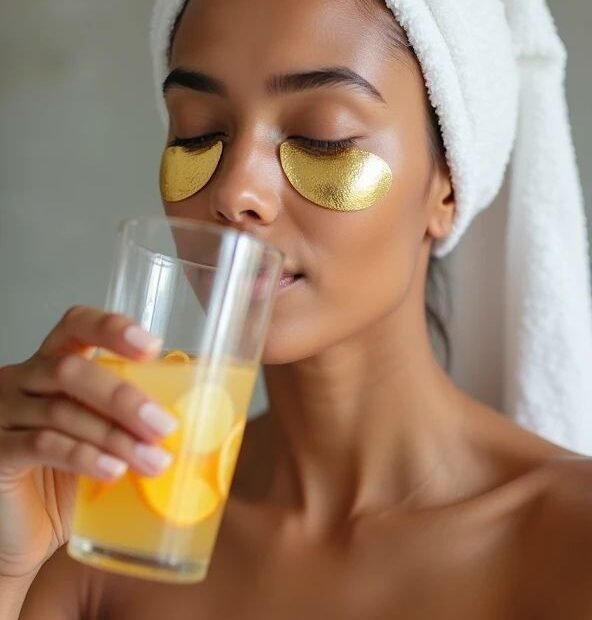
If you often wake up feeling that dark circles or puffy eyes make you look more tired than you actually are, you are not alone. This is a very common concern among women in the United States, regardless of age or lifestyle. Dark circles and under-eye puffiness can be influenced by sleep habits, genetics, stress, diet, and even daily skincare choices. While they are usually harmless, many people look for reliable, science-based ways to reduce their appearance as part of a healthy skincare routine.
Understanding what causes these issues and how to address them consistently can make a visible difference over time. This article provides clear, informative, and realistic tips to help improve the look of dark circles and puffiness using proven habits, lifestyle adjustments, and skincare strategies that fit into a balanced, healthy lifestyle.
Understanding the Causes of Dark Circles
Dark circles are often the result of a combination of factors rather than a single cause. Thin skin under the eyes allows blood vessels to become more visible, creating a darker appearance. Genetics play a major role, especially for individuals with deeper tear troughs or naturally thinner skin. Lack of sleep, high stress levels, and dehydration can worsen this condition. In the U.S., long screen time and irregular sleep schedules are also common contributors. While no skincare product can completely eliminate genetic dark circles, understanding their origin helps set realistic expectations and supports better anti-aging skincare decisions.

Why Under-Eye Puffiness Occurs
Puffiness usually happens when fluid accumulates under the eyes. This can be linked to high sodium intake, allergies, alcohol consumption, or sleeping position. Hormonal fluctuations may also contribute, especially among women. Seasonal allergies in many parts of the U.S. can increase inflammation around the eyes, leading to swelling. Puffiness tends to be temporary and often improves throughout the day, especially with proper hydration and circulation-boosting habits.
The Importance of Quality Sleep and Recovery
Sleep quality is one of the most effective ways to improve the appearance of the under-eye area. Poor sleep slows circulation and increases fluid retention, which can worsen both dark circles and puffiness. Experts generally recommend seven to nine hours of sleep per night for adults. Establishing sleep improvement tips such as consistent bedtimes, reducing screen exposure before bed, and creating a calm nighttime routine can support overall skin health. Adequate sleep also benefits mental health tips and stress relief techniques, which indirectly impact skin appearance.
Hydration and Nutrition for Brighter Eyes
Dehydration makes the under-eye area look dull and sunken. Drinking enough water throughout the day is a simple but powerful habit. Hydration tips often include consuming water-rich foods like fruits and vegetables. A balanced diet with anti-inflammatory foods, gut health foods, and superfoods for women—such as berries, leafy greens, and fatty fish—supports skin elasticity. Limiting excess sodium and alcohol can also reduce morning puffiness. Healthy meal plans and clean eating habits contribute to a healthier complexion overall.
Choosing the Right Skincare Ingredients
Targeted skincare can improve the look of dark circles over time. Ingredients like vitamin C serum help brighten skin and support collagen production. Caffeine-based products may temporarily reduce puffiness by constricting blood vessels. Peptides and hyaluronic acid support hydration and skin firmness. Including eye care as part of a complete skincare routine and anti-aging skincare strategy can enhance results. Choosing organic skincare or clean beauty products may appeal to those with sensitive skin, but consistency matters more than brand prestige.
Sun Protection and Daily Prevention
Sun exposure can worsen dark circles by increasing pigmentation and breaking down collagen. Daily use of sunscreen for women, including mineral sunscreens safe for the eye area, is essential. Wearing sunglasses outdoors in the U.S., where sun exposure varies by region and season, helps protect delicate skin. Sun protection is a long-term investment in preventing premature aging and supporting a luxury skincare routine or minimalist approach alike.
Lifestyle Habits That Make a Difference
Daily habits strongly influence under-eye appearance. Reducing smoking, managing stress, and maintaining regular physical activity all support healthy circulation. Activities like yoga for beginners, pilates workout, or light strength training for women help improve blood flow and reduce inflammation. A balanced approach to fitness for women supports not only skin health but also hormonal balance and emotional well-being.
At-Home Techniques and Cooling Methods
Simple at-home techniques can provide temporary relief from puffiness. Cold compresses, chilled spoons, or cooling eye masks help constrict blood vessels and reduce swelling. Gentle massage with clean hands or tools can stimulate lymphatic drainage. These methods work best when combined with a consistent body care routine and skincare habits, rather than as standalone solutions.
When to Consider Professional Advice
If dark circles or puffiness suddenly worsen or are accompanied by discomfort, it may be helpful to consult a healthcare professional. Persistent swelling could be related to allergies, sinus issues, or other medical conditions. In the U.S., dermatologists and licensed skincare professionals can offer personalized advice, including safe beauty treatments or lifestyle adjustments. Professional guidance ensures that concerns are addressed accurately and responsibly.
Conclusion
Reducing dark circles and puffiness requires a combination of realistic expectations, healthy lifestyle habits, and consistent skincare choices. While there is no instant cure, understanding the causes and applying proven strategies can noticeably improve the appearance of the under-eye area over time. Prioritizing sleep, hydration, sun protection, balanced nutrition, and gentle skincare supports long-term skin health and overall well-being.
If you enjoyed this content, share it so these insights can help other people improve their self-care habits too 😊✨