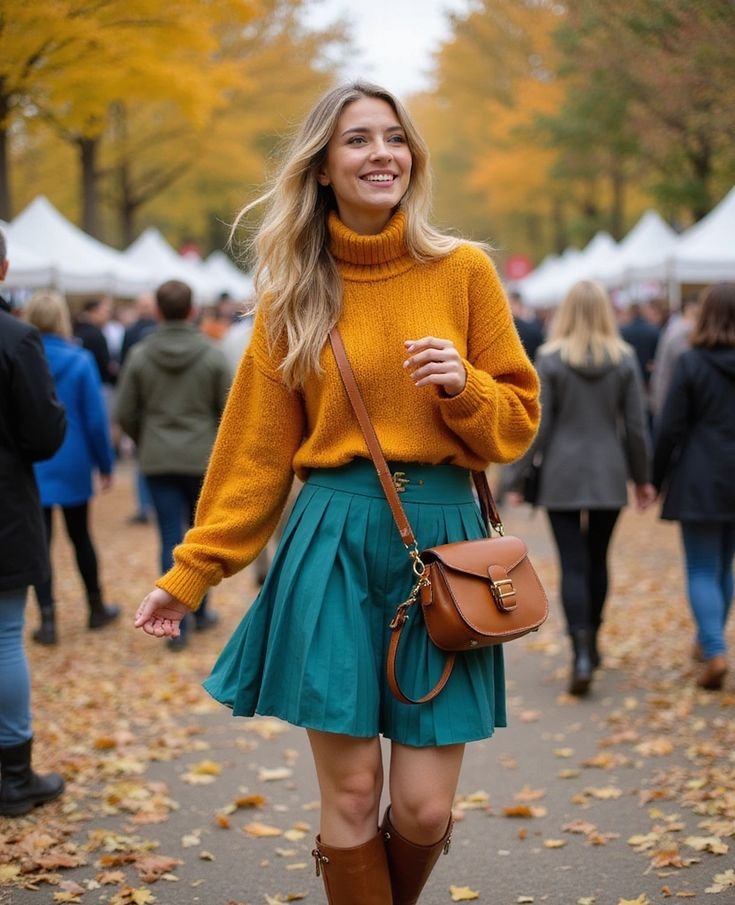
Here’s a truth every woman should hear: the colors you wear have the power to instantly elevate your confidence, highlight your natural beauty, and define your personal style.
Choosing the right shades isn’t about following strict fashion rules—it’s about understanding how color interacts with your skin tone, hair color, lifestyle, and personality. Whether you’re refreshing your wardrobe, upgrading your skincare routine for glowing skin, or embracing a healthier lifestyle that reflects from the inside out, learning how to choose your best colors can transform the way you show up every day.
This guide breaks down everything you need to know to choose colors that flatter you effortlessly, helping you feel more radiant and stylish in every season.
Understanding Your Skin Undertone
One of the most essential steps in choosing flattering colors is identifying your skin undertone. There are three main categories: warm, cool, and neutral. Looking at the veins on your wrist can help—greenish veins often indicate warm undertones, while bluish or purple veins suggest cool undertones. Neutral undertones usually sit in between.
Women in the U.S. with warm undertones often glow in earth-based hues such as olive, terracotta, mustard, and warm reds. Cool-toned women look especially vibrant in jewel tones like emerald, sapphire, navy, and soft pinks. Neutral undertones have the widest flexibility, allowing them to wear both warm and cool palettes depending on the shade.
Understanding your undertone also supports better skincare routine choices, especially when selecting foundations, tinted moisturizers, or sunscreen for women that won’t leave a white cast.

How Natural Hair Color Influences Your Palette
Your natural hair color adds another layer to your personal color story. Blondes typically look stunning in soft pastels, powder blues, and creamy neutrals. Brunettes often shine in richer tones like wine, burgundy, deep greens, and chocolate. Redheads are naturally complemented by forest green, navy, and warm neutrals, which balance the brightness of their hair.
If you’re exploring hair growth products, natural hair care, or a new look, remember that changing your hair shade can also shift your best clothing colors. For example, going from brunette to platinum blonde may make darker colors feel overpowering, while warm blondes might need gentler tones. Keeping your wardrobe in harmony with your hair color ensures a cohesive and flattering visual balance.
Choosing Colors Based on Your Eye Color
Your eyes can guide you toward shades that naturally enhance your facial features. Blue eyes tend to pop with warm caramel, rich browns, and copper tones. Green and hazel eyes shine with plum, mauve, emerald, and gold. Brown eyes are the most versatile, pairing beautifully with navy, teal, bronze, and soft pastels.
Eye-enhancing shades also pair well with certain makeup tutorials—for example, cool mauve eyeshadow for green eyes or soft peach tones to brighten brown eyes. By choosing clothing colors that mirror or contrast your eye color, you add depth and vibrancy to your overall look.
How Lifestyle Affects Your Color Choices
Your daily routine plays a significant role in the colors that work best for you. For women with active lifestyles—whether following a home workout plan, yoga for beginners, or a strength training for women routine—athleisure colors like charcoal, navy, and muted greens often feel the most practical and flattering.
Professionals may gravitate toward neutrals such as black, beige, ivory, or taupe, which pair effortlessly with business styles and beauty treatments. Meanwhile, women focused on self-care habits, stress relief techniques, and wellness often prefer calm, grounding colors like lavender, sage green, or dusty blue.
Your wardrobe should complement your daily activities—not compete with them.
Seasonal Color Palettes That Inspire Your Wardrobe
Seasonal color analysis is a powerful tool for understanding which tones naturally harmonize with your complexion. It categorizes looks into Spring, Summer, Autumn, and Winter palettes.
-
Spring: warm undertones, bright eyes, golden hair → coral, peach, warm green.
-
Summer: cool undertones, soft features → dusty rose, lavender, cool blues.
-
Autumn: warm, rich tones → rust, olive, mustard, deep teal.
-
Winter: cool undertones, sharp contrasts → pure black, icy blue, bold jewel tones.
This framework helps you build a wardrobe that feels consistent year-round, especially when transitioning between summer outfit ideas and winter fashion essentials. Seasonal palettes also align well with clean beauty products and organic skincare trends that emphasize harmony and balance.
How to Use Color Psychology to Express Your Personality
Colors influence not only how others perceive you but also how you feel. Soft shades like blush, cream, and sky blue communicate kindness and approachability—great for social settings or community events. Bold colors like red, royal blue, and black radiate confidence and power, making them perfect for business presentations, job interviews, or leadership roles.
Neutral earth tones signal stability and calm, fitting well with women prioritizing mental health tips, wellness, and healthy lifestyle habits. Vibrant hues like coral and teal express creativity and energy, ideal for those who love fashion trends for women or fun beauty subscription boxes.
Allow color to communicate the side of you that you want the world to see.
Building a Capsule Wardrobe With Your Best Colors
A capsule wardrobe helps you create dozens of outfits with fewer pieces—especially useful for women balancing busy routines, weight loss goals, healthy meal plans, or simply trying to simplify life. Choosing a color palette of 2–3 neutrals and 2–3 accent colors gives you endless combinations.
For U.S. women, popular neutral bases include black, white, camel, navy, and gray. Accent colors might include emerald, burgundy, dusty rose, or teal. This approach ensures every item matches seamlessly, reducing decision fatigue and improving overall style confidence.
How Makeup and Skincare Influence Color Perception
Your clothing colors interact with your skincare routine, makeup choices, and even supplements like collagen supplement or vitamin C serum that aim to improve your natural glow. For example:
-
Warm-toned makeup harmonizes better with earthy clothing colors.
-
Cool-toned highlighters and blushes pair best with icy, pastel, or jewel-toned outfits.
-
Healthy skin boosted by glowing skin tips, hydration tips, detox drinks, and anti-inflammatory foods makes all colors look brighter.
Women with oily skin may prefer matte makeup, while those seeking anti-aging skincare or dry skin treatment may choose dewy finishes that complement softer wardrobe tones.
Experimenting With New Colors With Confidence
Trying new shades can feel intimidating, but exploring color is part of discovering your evolving personal style. A great starting point is to test colors in accessories such as scarves, handbags, jewelry, or shoes. This allows you to experiment without committing to full outfits.
Lighting also matters. Try viewing your clothing in natural light to get the most accurate representation of tone. U.S. dressing rooms often use warm or dim lighting, which can distort color perception.
As your lifestyle, health habits, or beauty routine changes, your color preferences may shift as well—embrace this evolution with curiosity rather than fear.
Conclusion
Choosing colors that enhance your personal style is more than a fashion skill—it is an empowering form of self-expression. By understanding your undertone, hair and eye color, lifestyle, and personality, you can build a wardrobe that makes you look and feel your best every day. Whether you’re refining your beauty routine, improving your wellness habits, or embracing a new chapter in your life, the right colors help you shine with confidence and authenticity.
If you enjoyed this article, consider sharing it so more women can benefit from these tips and feel empowered in their personal style journey! 💕✨