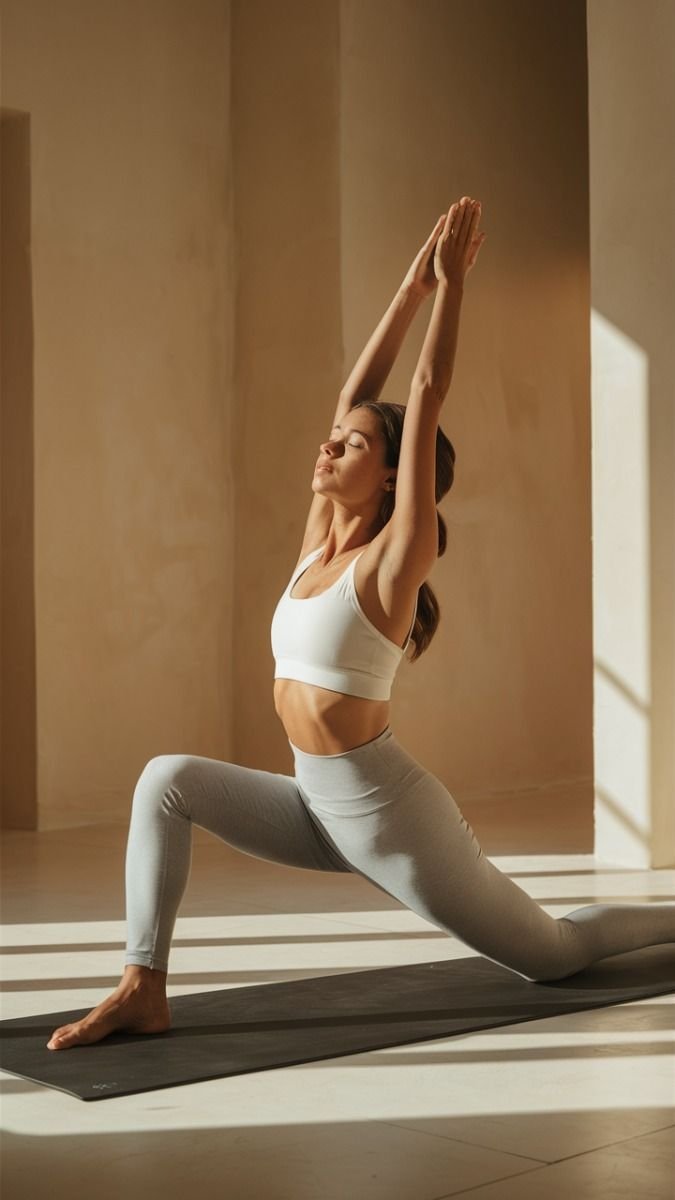
If you feel stiff, tight, or struggle with simple daily movements, you’re not alone. Many people notice reduced mobility due to long work hours, sedentary routines, or lack of stretching. The good news is that improving flexibility doesn’t require special equipment or advanced fitness skills. A few minutes of intentional movement each day can make a remarkable difference in how your body feels and performs.
This article highlights proven flexibility exercises that genuinely enhance mobility, help prevent injuries, and support a healthier lifestyle. Whether you’re following a home workout plan, practicing yoga for beginners, or simply trying to move more with ease, these exercises are simple, safe, and beneficial for all fitness levels.
Understanding the Importance of Flexibility and Mobility
Flexibility and mobility are often confused, but both play essential roles in physical health. Flexibility refers to how far a muscle can stretch, while mobility involves the ability of a joint to move smoothly through its full range of motion. Poor mobility can contribute to muscle tension, back pain, and even reduced performance during strength training for women or general fitness activities. Improving flexibility supports better posture, reduces muscle imbalances, and helps keep your body functioning optimally.
Dynamic Stretching to Prepare the Body
Dynamic stretching activates muscles while gradually increasing range of motion. Unlike static stretches, these movements warm up your body and prepare your joints for more active exercises. Examples include leg swings, arm circles, hip circles, and walking lunges. For women who follow a home workout plan, dynamic stretching is ideal before strength training or cardio routines. Many professional trainers in the United States recommend five minutes of dynamic stretching before any workout to prevent injuries and improve performance.
Hip-Opening Movements for Better Lower Body Mobility
The hips are one of the most commonly tight areas, especially for people who sit for long periods. Tight hip flexors can affect posture, movement, and even lower back comfort. Exercises such as the butterfly stretch, 90/90 hip stretch, and deep lunges help release tension and increase mobility. Hip-opening exercises also improve alignment for activities like pilates workout sessions and home fitness routines. These stretches support better movement mechanics, making daily tasks like climbing stairs or getting in and out of the car easier.
Spine Mobility Exercises to Reduce Stiffness
Spinal stiffness is a common complaint in the U.S., especially among individuals who work at desks. Exercises like cat-cow, thoracic rotations, and seated spinal twists improve spinal health and reduce discomfort. A mobile spine supports better breathing, posture, and overall wellness. Many wellness tips highlight the importance of maintaining spinal mobility as part of a healthy lifestyle habit, especially for those who want to avoid chronic tension and improve daily comfort.
Shoulder and Upper Back Flexibility Movements
Tight shoulders can limit range of motion and cause neck strain. Flexibility exercises such as wall angels, chest-opening stretches, and doorway stretches help counteract the effects of poor posture or long hours using computers or smartphones. These movements also support better performance in upper-body workouts and reduce the risk of injury. Women looking for glowing skin tips or a better self-care habit routine often incorporate stretching as part of stress relief techniques, since releasing tension in the upper body can significantly reduce stress.
Lower Body Stretching to Support Daily Movement
Hamstrings, calves, and quadriceps need regular stretching to stay healthy and strong. Tight lower-body muscles affect mobility, balance, and even the effectiveness of a weight loss diet or fitness routine. Stretching exercises like standing calf stretches, hamstring stretches on the floor, and quad pulls help improve overall range of motion. Flexible muscles also contribute to better circulation, allowing your body to respond positively to physical activity and recovery.
Full-Body Mobility Routines for Daily Practice
Mobility routines combine multiple flexibility exercises into a structured flow that can be practiced daily. These routines typically last 10 to 20 minutes and help reduce stiffness, enhance circulation, and promote long-term wellness. Many Americans follow morning mobility routines as part of their healthy lifestyle habits, pairing them with hydration tips or healthy smoothies to start the day. Full-body routines may include controlled joint rotations, deep breathing, and gentle stretching sequences designed to awaken the entire body.
Breathing Techniques to Enhance Flexibility Results
Breathing plays an essential role in flexibility. When the body relaxes through slow and controlled breathing, the muscles release tension more effectively. Deep diaphragmatic breathing is often used in yoga, pilates, and stretching sessions to help increase flexibility and reduce stress levels. Incorporating breathing techniques can improve not only your mobility but also your mental health, complementing self-care habits and stress relief techniques often recommended by wellness experts.
Creating a Sustainable Flexibility Habit
Consistency is the foundation of improved mobility. Setting aside just five to ten minutes a day can lead to lasting results. Many people in the U.S. combine stretching with other wellness practices, such as detox drinks, superfoods for women, or post-workout protein powder for women for recovery. The key is to start small, listen to your body, and gradually increase duration as flexibility improves. Over time, stretching becomes a natural part of a healthy lifestyle habit that supports long-term mobility and physical well-being.
Conclusion
Flexibility exercises are simple, accessible, and highly effective for improving mobility, reducing stiffness, and enhancing daily movement. Whether you’re a beginner or already follow a fitness routine, incorporating mobility work into your lifestyle can help you feel stronger, more energized, and far more comfortable in your own body.
Se você gostou deste conteúdo, compartilhe para que mais pessoas possam se beneficiar dessas informações! 🌟💪✨