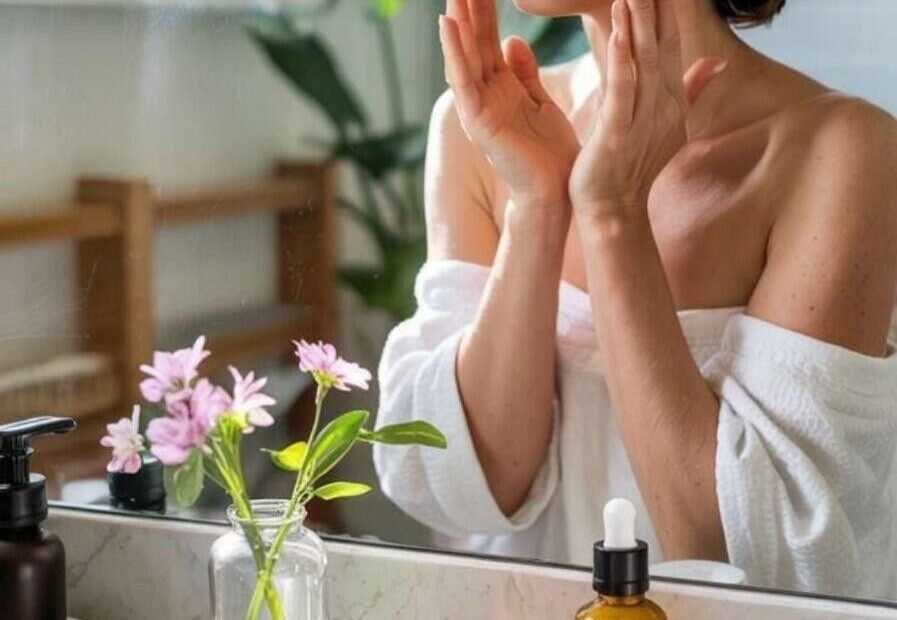
If you’re looking for an easy, affordable, and natural way to elevate your skincare routine, DIY face masks can be a powerful addition. These homemade treatments use simple ingredients—many already found in U.S. kitchens—to help brighten, calm, and hydrate your skin. While they’re not a substitute for professional beauty treatments or dermatologist-approved skincare, they offer a gentle, accessible option for anyone wanting a quick boost in glow and softness.
With rising interest in clean beauty products, organic skincare, and self-care habits, DIY face masks continue to grow in popularity as women seek more natural remedies for skin health. This guide shares effective at-home mask recipes, their benefits, and practical tips to help you achieve radiant skin safely and intentionally.
Benefits of Using DIY Face Masks
DIY face masks offer customizable skincare that supports glowing skin tips, anti-aging skincare needs, hydration, and relaxation. By using natural remedies for skin care, you can target specific concerns—such as dryness, dullness, or acne—without synthetic additives.
Many ingredients also contain antioxidants, vitamins, and minerals that complement your existing skincare routine, from vitamin C serum to collagen supplements. Additionally, preparing your mask at home can become part of a stress relief and self-care habit, adding mental health benefits alongside skin improvements.

Choosing the Right Ingredients for Your Skin Type
Selecting the right ingredients is essential for safe and effective results. For oily skin routines, clay, lemon juice, and tea tree oil help balance excess sebum. For dry skin treatment, avocado, honey, and yogurt provide deep nourishment. Combination skin responds well to oatmeal and aloe vera. If you follow beauty treatments like retinol or chemical exfoliants, choose gentle ingredients to avoid irritation. Always prioritize organic skincare ingredients when possible to maintain a clean beauty approach.
Hydrating Honey and Yogurt Mask
Honey is a natural humectant that draws moisture into the skin, supporting hydration tips and helping your skin stay soft. Yogurt contains lactic acid, which offers mild exfoliation. This mask works well for dry, sensitive, or mature skin. Mix one tablespoon of raw honey with one tablespoon of plain yogurt and apply for 10–15 minutes. Use once or twice a week alongside your regular anti-aging skincare products to enhance results.
Brightening Vitamin C-Rich Citrus Mask
Vitamin C is widely used in premium beauty brands and the best face serums for brightening. A DIY version using freshly squeezed orange or lemon juice paired with turmeric can help revive dull skin. Combine one teaspoon of citrus juice with a pinch of turmeric and apply lightly. Because citrus can increase sun sensitivity, use sunscreen for women daily and apply this mask only at night. This option is ideal for women seeking glowing skin tips or fighting uneven tone.
Soothing Aloe Vera and Oatmeal Mask
Aloe vera is deeply calming and helps reduce redness, making it excellent for acne skincare routines or post-exercise redness after a home workout plan. Oatmeal gently exfoliates and strengthens the skin barrier. Blend two tablespoons of ground oatmeal with enough aloe gel to form a paste. This mask is also great for women practicing yoga for beginners or pilates workout routines, where soothing post-sweat care is essential.
Detoxifying Clay and Green Tea Mask
Clay masks draw impurities from pores, making them ideal for oily or acne-prone skin. Green tea contains antioxidants that support anti-inflammatory benefits. Mix one tablespoon of bentonite clay with cooled green tea until creamy. Use this mask once a week to support detox drinks and gut health food-inspired wellness tips that work from the inside and outside.
Anti-Aging Avocado and Olive Oil Mask
Avocado is rich in healthy fats and vitamins E and C, supporting elasticity and moisture. Olive oil adds nourishment and creates a smooth application. Together, they complement anti-aging skincare routines, collagen supplements, and luxury skincare routines. Mash half an avocado with one teaspoon of olive oil, apply for 20 minutes, and enjoy softer, plumper skin—perfect for women focused on healthy lifestyle habits and natural aging gracefully.
Safety Tips and Patch Testing
While DIY masks use natural ingredients, they can still cause reactions. Always patch-test new recipes on your forearm for 24 hours. Avoid applying acidic ingredients near the eyes and discontinue use if irritation appears. Pregnant or breastfeeding women should consult healthcare providers before using potent ingredients like essential oils. These precautions ensure your skincare routine remains safe, especially if you’re also using retinols, vitamin C serum, or exfoliating products.
How to Incorporate DIY Masks into a Skincare Routine
For best results, apply DIY masks after cleansing and before moisturizing. Use once or twice a week to avoid overwhelming the skin. These masks should complement—not replace—core products such as sunscreen for women, best face serum options, or organic skincare cleansers. Consistency is key, whether your focus is anti-aging, acne care, or maintaining a radiant glow throughout the year.
Conclusion
DIY face masks are a simple, affordable way to nourish your skin while enjoying a moment of self-care. Whether your goals involve hydration, brightening, or detoxifying, natural ingredients offer effective support for glowing, healthy-looking skin. Pairing these masks with balanced nutrition, superfoods for women, fitness for women, and overall wellness habits can further enhance long-term results.
If you enjoyed this article, share it so these tips can help others! ✨💛